
South Korea in 21 Days: A Complete Immersion Guide for 2026
Over 17 million tourists visited South Korea in a single year before the pandemic, and 2025 figures show a spectacular surge in visitors returning. Three weeks in South Korea is the sweet spot for moving beyond surface-level tourism, escaping the predictable Seoul-Busan-Jeju circuit that dominates guidebooks, and experiencing something genuinely transformative. This isn't a trip where you'll return home with a suitcase of tacky souvenirs. It's an encounter with a civilisation that's ancient yet reinvented itself at breathtaking speed, where every corner holds unexpected depth and meaning.
Why 21 Days Changes Everything
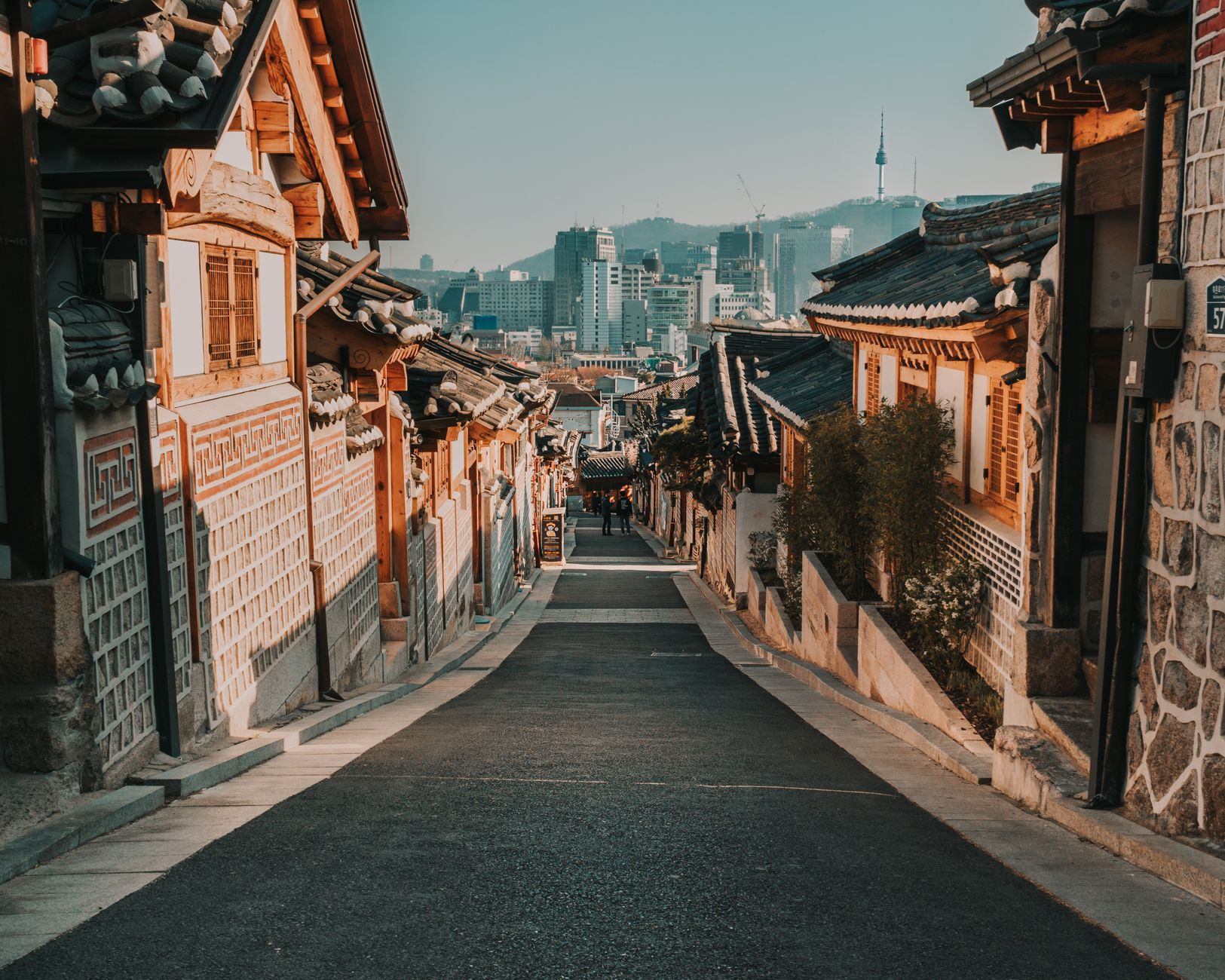
A two-week trip to South Korea often leaves you wanting more. You'll return home with stunning photos of Gyeongbokgung Palace and Myeongdong, but without truly touching the country's soul. With three weeks, the entire pace shifts. You can wander through a potter's village in Gyeonggi Province, spend a night in a remote Buddhist temple, or simply sit for two hours in a Bukchon café watching rain fall on black-tiled roofs. A longer journey through South Korea offers something rare in modern travel, the luxury of slowness in a country that moves at lightning speed.
It's also the timeframe needed to truly understand Korean contrasts. On one side, hyper-connected megacities where everything's done via smartphone. On the other, haenyeo divers in Jeju who still freedive exactly as their grandmothers did a century ago. These paradoxes don't reveal themselves in a few days. They require patience and immersion.
The Major Stops on a 21-Day South Korea Itinerary
Seoul: Allow at Least Seven Days
Starting in Seoul makes obvious sense, but staying long enough often doesn't. South Korea's capital typically gets squeezed into two or three days, which is a mistake. Seoul deserves a full week minimum. Between the art galleries of Insadong, the vibrant night markets of Dongdaemun, the underground streets of Hongdae, the corporate skyscrapers of Gangnam, and the hiking trails through Bukhansan Park, each neighbourhood feels like its own world. The city reveals itself in layers, like a cultural lasagne you savour piece by piece. Dedicate an entire day to Gyeongbokgung Palace and Changdeokgung Palace, particularly its secret garden, the Huwon, accessible only through guided tours at set times. Book well ahead if you're travelling in spring or autumn, when these spots get mobbed.
To structure your Seoul days without spreading yourself too thin, check out guides covering the city's essential neighbourhoods, from trendy Hongdae to historic Bukchon.
Central South Korea: Temples, Rice Fields, and Forgotten Towns
After Seoul, most travellers jump straight on the KTX bullet train to Busan. It's understandable, but you'll miss the real South Korea. The central region around Gyeongju, Andong, and Jeonju is the historical heartland. Gyeongju, the ancient capital of the Silla Kingdom, feels like an open-air museum. Royal burial mounds rise in the city centre, surrounded by cafés and corner shops. Bulguksa Temple and the Seokguram Grotto, both UNESCO World Heritage Sites, are just a short bus ride away. Andong, meanwhile, is the stronghold of Confucian culture. The village of Hahoe, also UNESCO-listed, still hosts noble families practising five-century-old traditions in their ancestral homes.
Jeonju deserves special mention. It's officially recognised by UNESCO as South Korea's gastronomic capital and a creative city for food. Jeonju's bibimbap is in a completely different league from what you'll eat elsewhere. The hanok village, with its preserved traditional houses, is one of the few places in the country where you can sleep in an authentic hanok, sip local makgeolli rice wine, and catch a pansori performance, that dramatic Korean vocal art form with the raw intensity of blues meets flamenco.
Busan and the Southern Coast: Maritime Energy
Busan is South Korea's second city, and it wears that status proudly. It doesn't try to copy Seoul. It has its own character, built on the colourful hillside neighbourhoods like Gamcheon, urban beaches at Haeundae and Gwangalli, and fish markets that open before dawn. Haedong Yonggungsa Temple, dramatically perched on rocks overlooking the East Sea, is one of the country's most photographed sites, and for good reason. Arrive early morning to beat the crowds and catch the sunrise over the water.
Jeju: The Volcanic Island Grand Finale
Finishing your three weeks in South Korea on Jeju is the perfect way to end your journey. This volcanic island, connected to the mainland by frequent and affordable domestic flights, is a concentration of wild nature. Hallasan, the dormant volcano and South Korea's highest peak, offers some of East Asia's most spectacular hiking. The haenyeo divers you'll see at coastal markets are recognised by UNESCO as Intangible Cultural Heritage of Humanity. Jeju also has its own distinct food and cultural scene, from black octopus to the island's famous black pork, jeju heukdwaeji, that food lovers travel hundreds of kilometres to taste.
Practical Travel Tips for a 21-Day South Korea Trip in 2026
Three weeks exploring South Korea requires solid logistics but it's entirely manageable. The KTX high-speed rail network is among the world's most efficient and gets you across the country in hours. The T-money card, reloadable at any convenience store, covers subways, buses, and even some taxis. Accommodation options are remarkably varied, from jimjilbang public bathhouses where you can sleep for a few thousand won, to Bukchon guesthouses and Jeju resorts. Budget roughly 60 to 100 euros daily for comfortable travel including food and transport. South Korea remains significantly cheaper than Japan for often superior quality.
For deeper logistical planning, detailed budget breakdowns, and real-time pricing updates for 2026, consult comprehensive travel guides covering costs and practical tips gathered from recent visitors.
Build Your Own Itinerary, Not a Generic Template
A 21-day South Korea trip shouldn't be planned using an Excel spreadsheet copied from a travel forum. Every traveller has their own obsessions, pace, and priorities. Some want five days immersed in street food culture. Others prefer moving quietly between Buddhist temples. Some travel solo, others bring young families. There's no single perfect itinerary in absolute terms. There's one for you, at this specific moment in your life, based on your constraints and current desires. That personalisation is what separates a trip you'll talk about for years from one you'll forget by the time you unpack.
Not a generic template. An itinerary built just for you, based on real traveller experiences in South Korea. Create my personalised South Korea itinerary for just £16 →