
South Korea in 14 Days: The Complete 2026 Travel Guide
South Korea welcomes over 17 million foreign visitors annually, yet the vast majority never venture beyond Seoul. With two weeks of well-planned travel, you can traverse an entire country, from Joseon Dynasty palaces to the neon-soaked streets of Busan, from Damyang's bamboo forests to Jeju Island's wild beaches. This 14-day South Korea itinerary is designed for travellers who want to truly understand the country, not just skim the surface.
Days 1 to 4: Seoul, the Epicentre of Everything
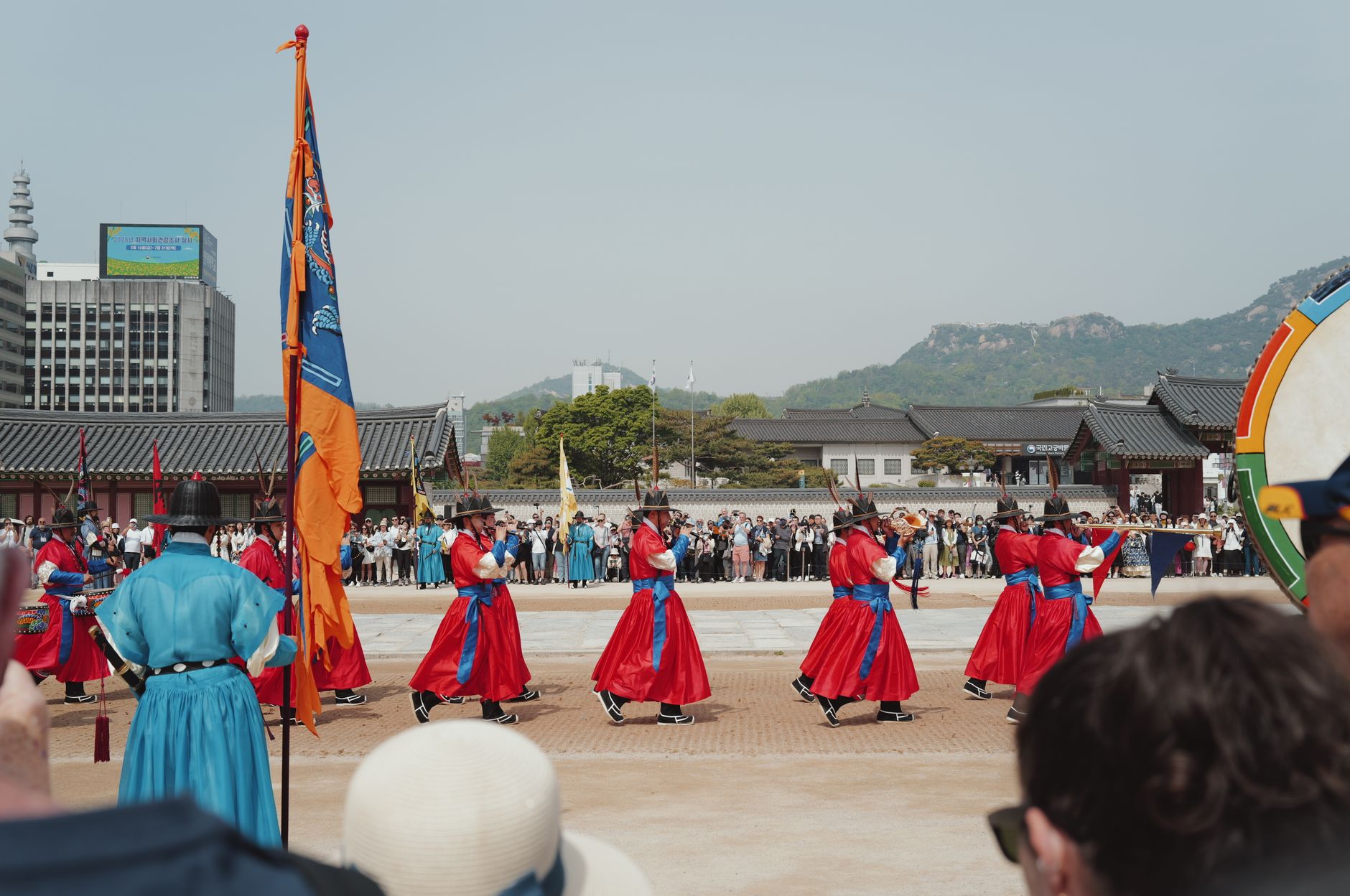
Landing at Incheon Airport feels like entering another world entirely. Korean infrastructure moves with an efficiency that makes most Western transport hubs look antiquated. The airport railway whisks you downtown in under 45 minutes for a few pounds. Choose between Hongdae for youthful energy and independent cafes, or Myeongdong for proximity to major historical sites and shopping.
Dedicate your first two days to absorbing Seoul properly. Gyeongbokgung Palace in the morning, when tour groups are sparse and soft light catches the green tile roofs just right. Bukchon Hanok Village in the afternoon, where narrow lanes lined with traditional wooden houses create jarring contrast with glass towers visible in the distance. On day three, ascend N Seoul Tower to grasp the sheer scale of the metropolis, then dive into Gwangjang Market for bindaetteok, crispy mung bean pancakes that'll stay with you long after your trip ends. Spend half a day in Insadong exploring art galleries and calligraphy shops tucked into vintage storefronts. On day four, surrender to modern Seoul: Gangnam's polished streets, the angular Dongdaemun Design Plaza, and surprising Bongeunsa Temple, a serene Buddhist sanctuary nestled between skyscrapers.
Days 5 and 6: Gyeongju, the Athens of the East
The KTX bullet train carries you to Gyeongju in under two hours. This city is genuinely unique, an open-air museum where ancient Silla Dynasty royal tombs sit comfortably beside modern convenience stores without anyone finding this odd. Arrive late morning, drop your bags at a guesthouse near Tumuli Park, and wander aimlessly through streets lined with grass-covered burial mounds that transform at sunset into something almost otherworldly.
Rise early the next morning to reach Bulguksa Temple before the crowds arrive. This UNESCO-listed 8th century temple is surrounded by pine forests that amplify every sound and silence. The nearby Seokguram Grotto houses a granite Buddha statue radiating absolute serenity. For deeper context on Korea's ancient heritage, our temple guides will help unlock the significance of what you're witnessing.
Days 7 and 8: Busan, the City That Lives Outside
Busan is South Korea's answer to Marseille: a rough-edged, fiercely proud port city infinitely more vibrant than its reputation suggests. The Gamcheon neighbourhood, nicknamed Korea's Santorini, cascades down steep hillsides in a tumble of colourful houses leading toward the harbour. Jagalchi Fish Market, the nation's largest seafood market, is a full sensory assault where living fish eye you from tanks while vendors shout in Busan dialect.
Haeundae Beach lacks postcard perfection, yet pulses with authentic Korean beach culture that beats any manicured coastal cliché. Haedong Yonggungsa Temple, perched on eastern cliffs above crashing waves, is among Korea's rare seaside temples. Time your visit to catch an evening Buddhist ceremony if possible.
Days 9 and 10: Jeju, the Volcanic Island
A one-hour flight from Busan lands you on Jeju, geographically and culturally distinct from mainland Korea. Hallasan, a dormant volcano and the country's highest peak at 1,950 metres, demands to be climbed. Start from Seongpanak Trail at dawn to reach the summit crater before clouds roll in. Jeju's southern coast reveals black basalt cliffs and villages of haenyeo, traditional female free-divers harvesting abalone and sea urchins using only their lungs, offering a rural Korea unimaginable from Seoul.
Days 11 and 12: Jeonju and Korea's Culinary Heart
Jeonju holds the unofficial title of South Korea's gastronomic capital, where bibimbap, that signature rice bowl that has become Korea's national dish, reaches its finest expression. Unlike Seoul's hanok village, Jeonju's traditional quarter still houses actual Korean families. Streets smell of fermenting soybean paste and artisan coffee. Stay in a converted hanok guesthouse to experience this old-world atmosphere fully immersed. Jeonju's food scene will reshape how you understand Korean cuisine.
Days 13 and 14: Return to Seoul and Final Moments
The train carries you back to Seoul for your final two days. Explore neighbourhoods you missed earlier: Itaewon for its international community and global restaurants, Yeonnam-dong for independent cafes hidden in converted suburban houses, or Seoul Olympic Park for purposeless wandering. Last-minute shopping happens at Myeongdong for cosmetics or Gangnam's department stores for electronics.
Incheon Airport, now familiar territory, offers one last glimpse of a country that practices logistical excellence like an art form. Two weeks in South Korea never feels quite long enough, but they're sufficient to understand why so many return. For deeper planning assistance, our South Korea travel budget guide helps you calibrate spending across regions.
Customising Your 14-Day South Korea Itinerary
This itinerary serves as a solid foundation, yet every traveller has different passions. Some will skip Jeju to spend more time in Seoraksan's mountains. Others will trade Gyeongju for a Buddhist temple retreat. South Korea in 14 days reinvents itself depending on who you are and what you truly seek.
Not a generic itinerary. Yours, built from real travel experiences across South Korea. Create your personalised South Korea itinerary with our AI travel planner, just €19 one-time. Build my custom itinerary →