
South Korea in 10 Days: The Perfect Seoul to Busan Itinerary for 2026
South Korea welcomes over 17 million foreign visitors annually, and those numbers keep climbing as the Korean wave continues to sweep the globe. Ten days is absolutely enough time to grasp the essence of this fascinating country, provided you plan ahead rather than winging it at the last minute. Between the frenetic energy of Seoul and the maritime character of Busan, plus stops that many English-speaking travellers overlook, this 10-day South Korea itinerary is designed for those who want a real travel experience, not just a checklist of Instagram moments.
Days 1 to 3: Seoul, the City That Never Sleeps
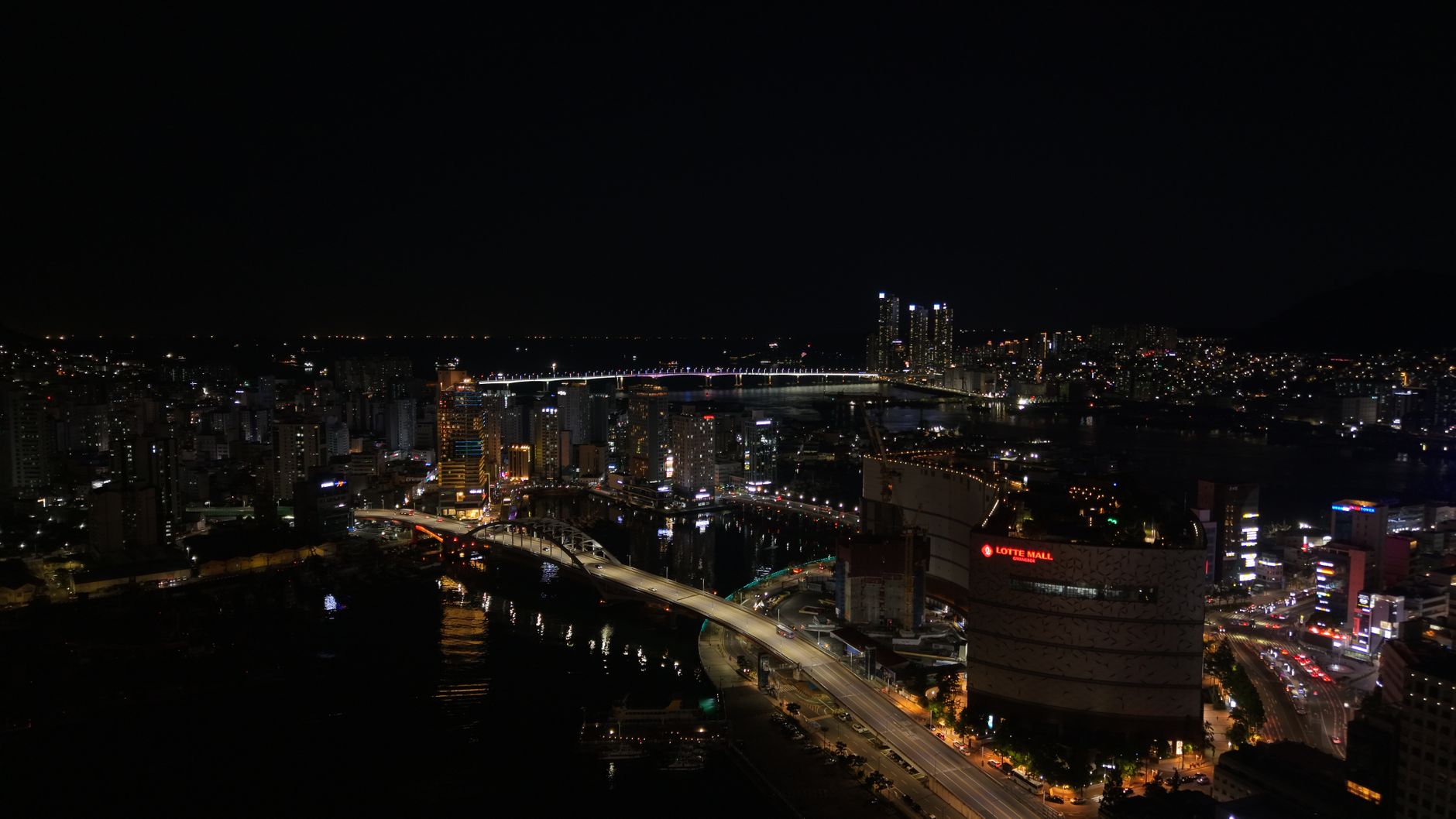
Landing at Incheon Airport immediately sets the tone. It regularly ranks among the world's best airports, and the AREX train ride into central Seoul establishes what you're in for: efficiency, cleanliness, and unabashed modernity. Your first few days in South Korea's capital deserve to focus on the essentials before diving into the deeper layers of the city.
Gyeongbokgung Palace and Bukchon Village
Gyeongbokgung Palace is essential viewing, yes, but the classic mistake is spending just two hours there and moving on. Take time to walk the palace walls toward the Bukchon hanok village, where cobbled alleyways seem frozen between two different eras. Renting a hanbok (traditional dress) for your visit gets you free entry into several royal palaces, a hack that locals themselves recommend with a knowing smile. The nearby Insadong neighbourhood offers independent art galleries and traditional teas served in centuries-old houses.
Hongdae and Itaewon: Contemporary Seoul
Come evening, head to Hongdae to understand why Korean youth have become the global reference point for pop culture. Street performances, wildly themed cafés, vintage thrift shops that would make London's Camden Market jealous, all packed into a university neighbourhood unlike anything in Europe. Itaewon, more cosmopolitan in character, lets you decompress and enjoy quality international cuisine after several days of kimchi and bibimbap.
Days 4 and 5: Gyeongju, the Forgotten Ancient Capital
Many travellers skip straight from Seoul to Busan, bypassing Gyeongju entirely. It's a decision most regret later. This south-eastern city served as the capital of the Silla Kingdom for nearly a thousand years and contains a density of historical heritage unmatched anywhere else in South Korea. Tumuli Park, with its royal burial mounds that look like enormous green hills in the city centre, creates an almost dreamlike atmosphere at sunset. The UNESCO-listed Bulguksa Temple deserves an early arrival to appreciate it before school groups arrive with their infectious, sometimes overwhelming energy. Gyeongju is best explored by bicycle, with distances between sites perfectly suited to this leisurely pace.
Days 6 and 7: Busan, the City by the Sea
The KTX train journey from Gyeongju to Busan ranks among Korea's most scenic rides, sweeping past forested hills and rice paddies of the southern countryside. Busan is South Korea's second city, yet it has such a distinct identity that it feels like a completely separate destination in any Seoul-to-Busan itinerary. The omnipresent sea fundamentally changes the atmosphere compared to the capital.
Haeundae Beach, Gamcheon Village, and Jagalchi Market
Haeundae Beach is Korea's most famous stretch of sand, lined with skyscrapers that create an almost Hollywood-like backdrop. But Gamcheon Cultural Village often steals the show, a maze of colourful houses perched dramatically on a hillside sometimes called the Montmartre of Busan, a comparison that's actually rather apt. Jagalchi Fish Market, opening at dawn, is pure sensory theatre. Stalls of live crabs, sea urchins, and giant octopuses pulse with joyful, salty chaos that instantly makes you hungry.
Day 8: Nature Break at Nami Island or Seoraksan National Park
Midway through this 10-day South Korea journey, a day immersed in nature provides welcome relief from urban intensity. Depending on the season, two excellent options present themselves. Seoraksan National Park in the northeast offers spectacular hiking with landscapes occasionally reminiscent of the Vosges in autumn, but more dramatic, with granite cliffs and forests of crimson maple leaves. Nami Island, more accessible from Seoul and famous from the Winter Sonata drama series, remains a peaceful spot for a stroll, especially outside peak season. Those wanting to tailor their itinerary to specific interests can consult guides on the best times to visit South Korea to choose between these options based on when you're travelling.
Days 9 and 10: Return to Seoul and Final Discoveries
The KTX ride back to Seoul from Busan takes just two and a half hours, leaving plenty of time to make the most of your final two days in the capital. These closing days are perfect for exploring neighbourhoods you may have skipped: Seongsu, often called Korea's Brooklyn, with converted workshops now housing design cafés, or Mangwon, far more residential and genuine, where residents sometimes seem pleasantly surprised to encounter foreign tourists in their neighbourhood shops. The National Museum of Korea, one of Asia's largest, could easily consume half a day without feeling rushed. And if K-pop inspired your trip, dedicated guides cover must-visit shops, studios, and artist cafés you simply cannot miss.
Practical Tips for Planning Your Seoul-Busan Itinerary in 2026
The T-money card, Korea's rechargeable transport pass, is essential from day one and works on subway systems, buses, and even some taxis nationwide. WiFi is everywhere, though renting a portable WiFi device at Incheon Airport remains the most convenient solution for continuous connectivity. For accommodation, traditional hanbok guesthouses offer an experience in themselves, but Seoul's capsule hotels deliver surprising comfort at very reasonable rates. The language barrier is far less intimidating than it seems; real-time translation apps work remarkably well now, and Koreans typically show great patience with tourists attempting a few words of Hangul. Learning to read the Korean alphabet in two days before departure is entirely achievable and radically improves your on-ground experience. Budgeting guides with 2026-specific price ranges for different traveller types detail accommodation, food, and transport costs for proper planning.
A 10-day trip to South Korea always leaves you feeling like you've barely scratched the surface of something immense, which is precisely why it makes you want to return. Not a generic itinerary. One built from genuine travel experiences in South Korea. Create your personalised South Korea itinerary now with our AI planner, just €19 one-time.