

Insadong Seoul Guide: Korean Craftsmanship and Traditional Tea in 2026
More than 10 million visitors walk through Insadong's streets each year, making this Seoul neighbourhood one of the rare places on earth where contemporary Korean life voluntarily steps aside for five centuries of cultural heritage. For visitors accustomed to London's Portobello Road or New York's Greenwich Village, Insadong offers something spiritually similar, yet radically different in form: an urban space dedicated to authenticity, handmade craftsmanship, and the unhurried ritual of carefully poured tea.
Insadong Seoul: Understanding the Neighbourhood's Soul
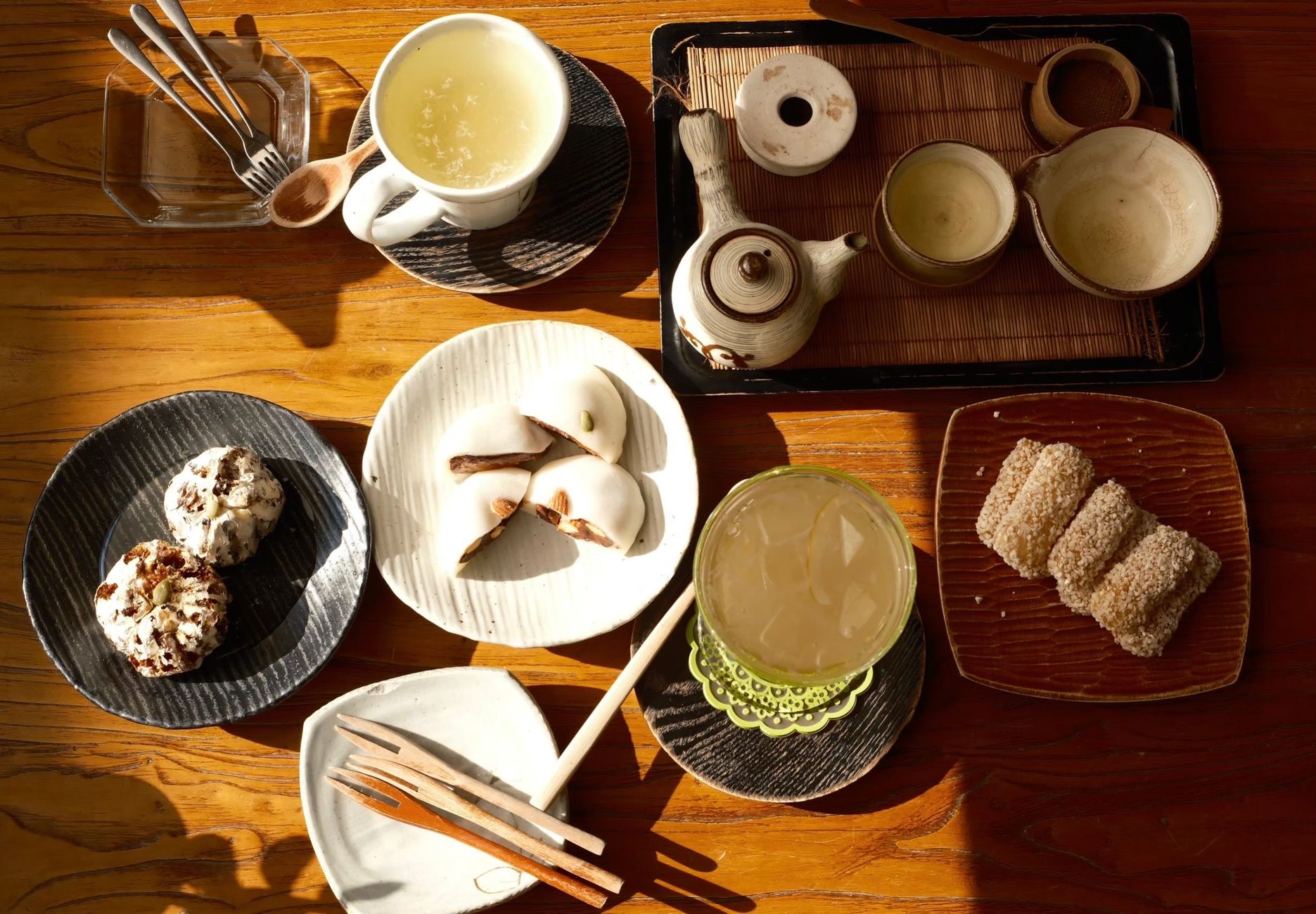
Insadong isn't an ordinary Seoul neighbourhood. Located within walking distance of Gyeongbokgung Palace, this main street spans roughly 700 metres and concentrates cultural density rare in a metropolis as dynamic as Seoul. During the Joseon dynasty, the area already hosted calligraphers' studios and antique dealers. Today, this tradition continues in hybrid form, blending traditional ceramic shops, contemporary art galleries, and tea houses tucked into interior courtyards you'll discover almost by chance.
What strikes you first is the neighbourhood's vertical organisation. Unlike what you might expect, Insadong extends far beyond its main street. Perpendicular alleyways, most notably the iconic Ssamziegil spiral shopping courtyard, reveal a spatial layout that rewards slow exploration, layer by layer. If you're planning your Seoul trip, our guide to visiting Gyeongbokgung Palace will help you structure a coherent day combining these neighbouring sites.
Korean Craftsmanship in Insadong: Tradition Meets Contemporary Design
Korean craftsmanship in Insadong divides into two complementary worlds. On one side, heritage shops offer pieces made using centuries-old techniques: celadon ceramics with the characteristic blue-green glaze from the Goryeo period, bojagi embroidered cloths traditionally used for wrapping gifts, and hanji Korean paper made from mulberry bark fibres, recognisable by its soft texture and distinctive transparency.
Must-Visit Galleries and Workshops
On the other side, a new generation of Korean artisans has settled in Insadong, reinterpreting ancestral codes with contemporary vision. You'll find studios where thirty-something designers craft silver jewellery inspired by hanbok patterns, or handbound notebook shops whose hanji covers evoke the family albums you might have leafed through in French countryside homes. The result is a cohesive, genuinely appealing selection, far removed from the cheap souvenirs you fear in tourist districts.
To take home something truly meaningful, spend time entering open workshops called gongbang. Some artisans offer one to two hour introductions to Korean calligraphy or hanji papermaking, experiences that transform a simple purchase into an embodied memory. These studios often hide at the ends of side alleys, away from the main tourist flows.
Korean Tea in Insadong: A Ceremony Worth Experiencing
While Japanese tea ceremony is globally celebrated, Korean tea culture in Insadong offers a more intimate, less codified approach, making it often more accessible for Western visitors. Tea houses, called dawon or chatjip, abound throughout the neighbourhood and represent one of Seoul's most memorable experiences.
Essential Teas to Discover
Omija-cha, made from magnolia vine berries and recognisable by its vibrant pink colour, offers five simultaneous flavours: sweet, sour, salty, bitter, and spicy. Yuja-cha, prepared from Korean citrus preserved in honey, drinks warm in winter and delivers a citrus sweetness that appeals even to non-tea drinkers. Nokcha, Korean green tea, offers softer bitterness than its Japanese counterpart, with herbaceous notes reminiscent of certain infusions from mountain regions.
The Dawon tea house, located in a traditional hanok residence at Insadong's heart, remains a benchmark. Its grey stone courtyard garden, embroidered fabric cushions, and low wooden tables create an atmosphere that suspends time, far from Seoul's hustle. Expect to spend 8,000 to 15,000 won per cup, depending on your chosen preparation. To deepen your exploration of Seoul's historic neighbourhoods, our Bukchon Hanok Village guide beautifully complements this immersive heritage day.
Practical Tips for Visiting Insadong in 2026
Insadong is best visited on weekdays, preferably mornings between 10am and 1pm, before organised tour groups flood the main street. On Sundays, the main street closes to traffic and an artisan market sets up, creating festive atmosphere but also crowds that might discourage solo wanderers.
For transport, Anguk Station on Line 3 deposits you directly at the neighbourhood's north entrance. If you're staying central Seoul, Myeongdong or Jongno districts are within walking distance or a few metro stops away. Budget a minimum half day, ideally a full day if you want to include a craft workshop and a relaxed tea break at a dawon.
Regarding budget, Insadong isn't Seoul's most affordable shopping district, but prices remain reasonable compared to equivalent artisan pieces in a Paris gallery. A signed ceramic piece negotiates between 30,000 and 150,000 won depending on size and artist. Small hanji objects, notebooks, or bookmarks start from 3,000 won and make refined gifts to bring home.
Remember that Insadong also opens doors to other Seoul cultural experiences. Our Namdaemun Market guide gives you a vibrant, grassroots counterpoint to this heritage immersion.
Building Your Itinerary Around Insadong
Insadong works best when it fits into intentional travel rhythm, not a checklist of boxes. Combine Bukchon in the morning, Gyeongbokgung midday, and Insadong afternoon for a coherent circuit that tells something real about Korean culture. This kind of connection between sites is what transforms an ordinary trip into a journey you'll discuss for years.
Not a generic itinerary. Yours, built from genuine Korea travel experiences. Create yours now and discover Seoul beyond the guidebook.