

Ikseon-dong, Seoul: The Ultimate Hanok Village and Cocktail Bar Guide for 2026
Over 2 million visitors flock to Ikseon-dong's narrow alleyways each year, making it one of Seoul's most visited neighborhoods, rivaling several major historical sites. Yet few visitors truly know how to experience it without missing what makes this quarter special. Nestled between the frenetic modernity of Jongno and the solemn grandeur of Changdeokgung Palace, Ikseon-dong feels like a living postcard, where every corner reveals a surprise and time seems to slow down.
For travelers accustomed to historic districts in cities like Boston or the medieval streets of Savannah, Ikseon-dong strikes an immediate chord: a sense of familiarity mixed with complete cultural immersion. Traditional Korean houses called hanok have been reimagined as cafes, art galleries, and surprisingly sophisticated cocktail bars. This unique alchemy between living heritage and contemporary urban culture makes Ikseon-dong an absolute must-visit for any Seoul trip in 2026.
Understanding Ikseon-dong: A Story of Urban Preservation
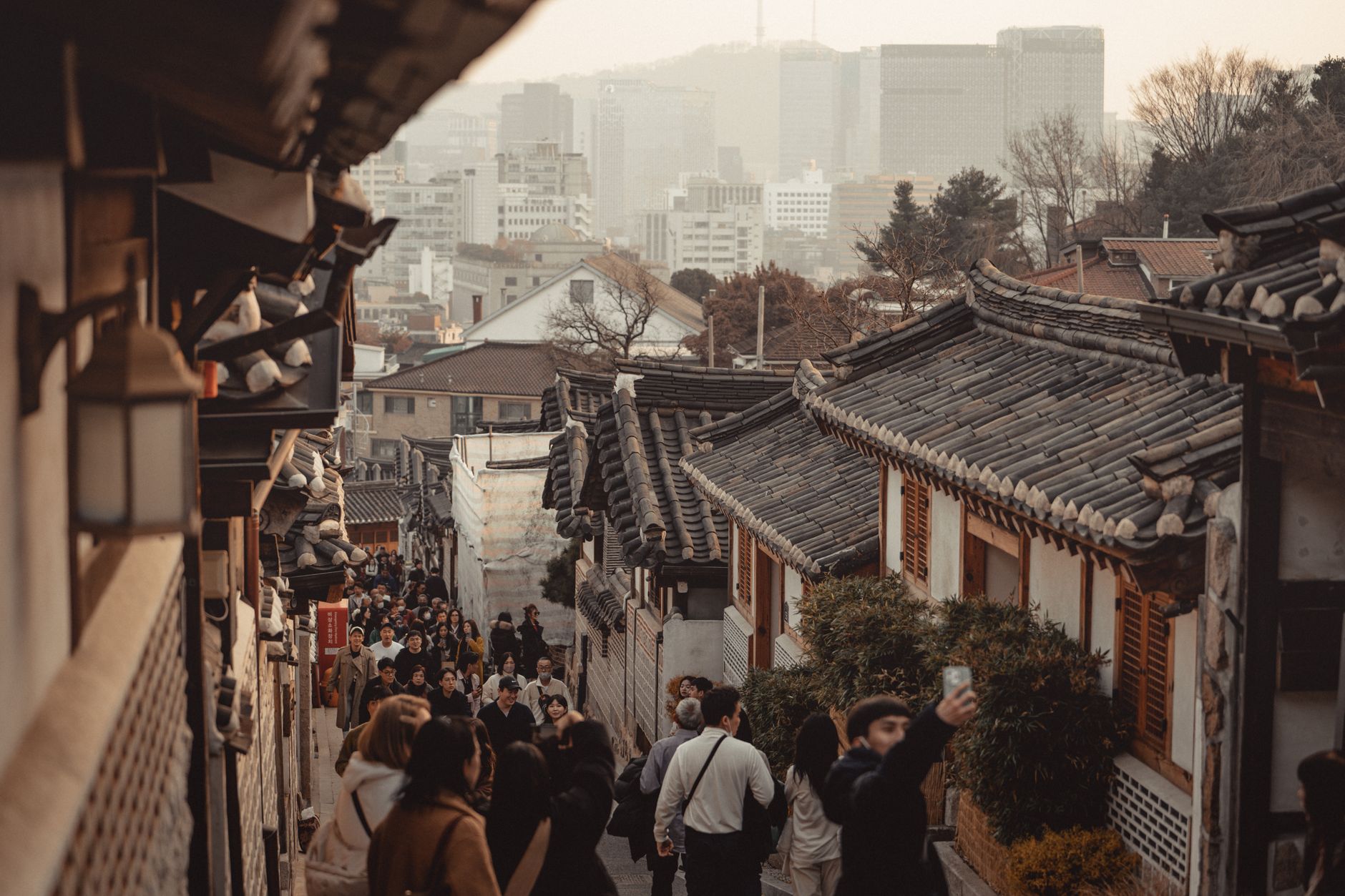
Ikseon-dong wasn't always the trendy neighborhood it is today. For decades, this hanok village nearly disappeared under the bulldozers of real estate developers, like so many traditional quarters across South Korea's capital. During the 1980s and 1990s, modernization pressure was so intense that hundreds of hanok were demolished to make way for concrete structures. Ikseon-dong survived thanks to residents and cultural organizations who convinced municipal authorities to designate the area as a heritage preservation zone.
Today, approximately 150 hanok remain within this small district spanning just a few hundred meters, forming one of Seoul's densest concentrations of traditionally-built, actively-inhabited homes. Most of these buildings, constructed between the 1920s and 1940s, represent an era when Korea's growing middle class adopted a hybrid architectural style, blending classical hanok design with Japanese influences from the colonial period. Their curved grey tile roofs, interior courtyards, and weathered wooden facades tell a story that the surrounding skyscrapers have chosen to forget.
Wandering the Alleys: The Art of Exploration in Ikseon-dong
Timing Your Visit Perfectly
Timing is crucial at Ikseon-dong. Weekend afternoons turn the main alleys into crowded pedestrian malls, making it difficult to appreciate the intimate atmosphere. The best advice: visit on a weekday, ideally late morning between 10am and 12pm. At this hour, natural light plays beautifully across the hanok tiles in a way both amateur photographers and professionals will appreciate. Most establishments open around 11am, giving you time to explore quieter side streets before crowds arrive.
Winter transforms Ikseon-dong into something particularly magical. Red lanterns adorning hanok entrances contrast strikingly against snow, creating an atmosphere reminiscent of scenes from Korean cinema at its most poetic. For travelers visiting Seoul between December and February, this neighborhood takes on an almost fairytale quality found nowhere else in the city.
Essential Addresses for Experiencing Hanok Heritage
Beyond casual strolling, Ikseon-dong offers complete cultural immersion. Several hanok have been converted into exhibition spaces dedicated to traditional Korean arts, where artisans demonstrate calligraphy and ceramics. Some venues offer hanji workshops, teaching visitors how to make traditional Korean paper from mulberry bark, an activity that appeals equally to children and adults. To extend your cultural experience, venture to nearby Bukchon, just a few minutes walk away. Our guide to Bukchon Hanok Village provides essential tips for intelligently combining both neighborhoods in a single day.
Ikseon-dong's Cocktail Bars: Where Tradition Meets Mixology
What fundamentally distinguishes Ikseon-dong from other trendy Seoul neighborhoods is how its cocktail bars have chosen to inhabit heritage rather than treat it as mere decoration. In the most respected bars, bartenders work with traditional Korean spirits like makgeolli and artisanal soju, reinterpreting them through contemporary international mixology techniques.
One of the most fascinating aspects of this nightlife scene is its relationship to space. Since hanok rooms are naturally compact, most establishments accommodate just twenty guests maximum, creating an intimate private club atmosphere far removed from the packed terraces of Hongdae or Itaewon. Reservations are often essential, especially Friday and Saturday nights. For deeper exploration of Seoul's nightlife scene, our article on Seoul's best night districts offers valuable additional perspective.
Signature cocktails throughout Ikseon-dong showcase yuzu, ginseng, and salted cherry blossoms, reflecting a deliberate effort to create distinctly Korean flavor identities. Several venues emphasize dongdongju, a lightly sparkling, naturally sweet makgeolli variant whose unexpected sweetness often delights European palates unaccustomed to this particular fermentation style.
Planning Your Ikseon-dong Visit for 2026
Getting There from Central Seoul
Ikseon-dong sits moments away from Jongno 3-ga Station, served by Seoul Metro lines 1, 3, and 5. Exiting at exit 4 and walking north for five minutes puts you at the neighborhood's heart. If you're also visiting Gwangjang Market the same day, logistics are perfect: both sites connect on foot in under ten minutes. For organizing a broader itinerary around Seoul's traditional markets, our Gwangjang Market guide helps you plan this day strategically.
Budget and Visit Duration
Budget two to four hours for leisurely exploration, including a coffee break and evening cocktails. Average prices at top-rated bars range from 15,000 to 22,000 won, roughly $11 to $17 USD, quite reasonable given the experience quality. Cafes in hanok charge slightly above Seoul's typical rates, but the atmosphere more than justifies the difference.
Ikseon-dong rewards curiosity and spontaneous wandering, but reveals its deepest secrets only to those who know where to look. That's the difference between ordinary tourism and genuine immersion in a place's soul.
Not another generic itinerary. Build yours from real Korea travel experiences. Create your personalized Seoul itinerary for €19