

Euljiro Seoul: The Ultimate Guide to Seoul's Underground Creative District in 2026
Less than 10% of English-speaking tourists who visit Seoul venture into Euljiro, and that's precisely what makes it one of the most fascinating neighborhoods in the entire Korean capital. Wedged between the neon signs of Myeongdong and the frenetic energy of Dongdaemun, this unconventional district has somehow managed to transform its aging printing factories and metal workshops into the epicenter of a global creative scene. In 2026, Euljiro is no longer a well-kept secret, but it remains a playground for those who know how to look beyond gray facades.
Euljiro, A Neighborhood With Two Faces
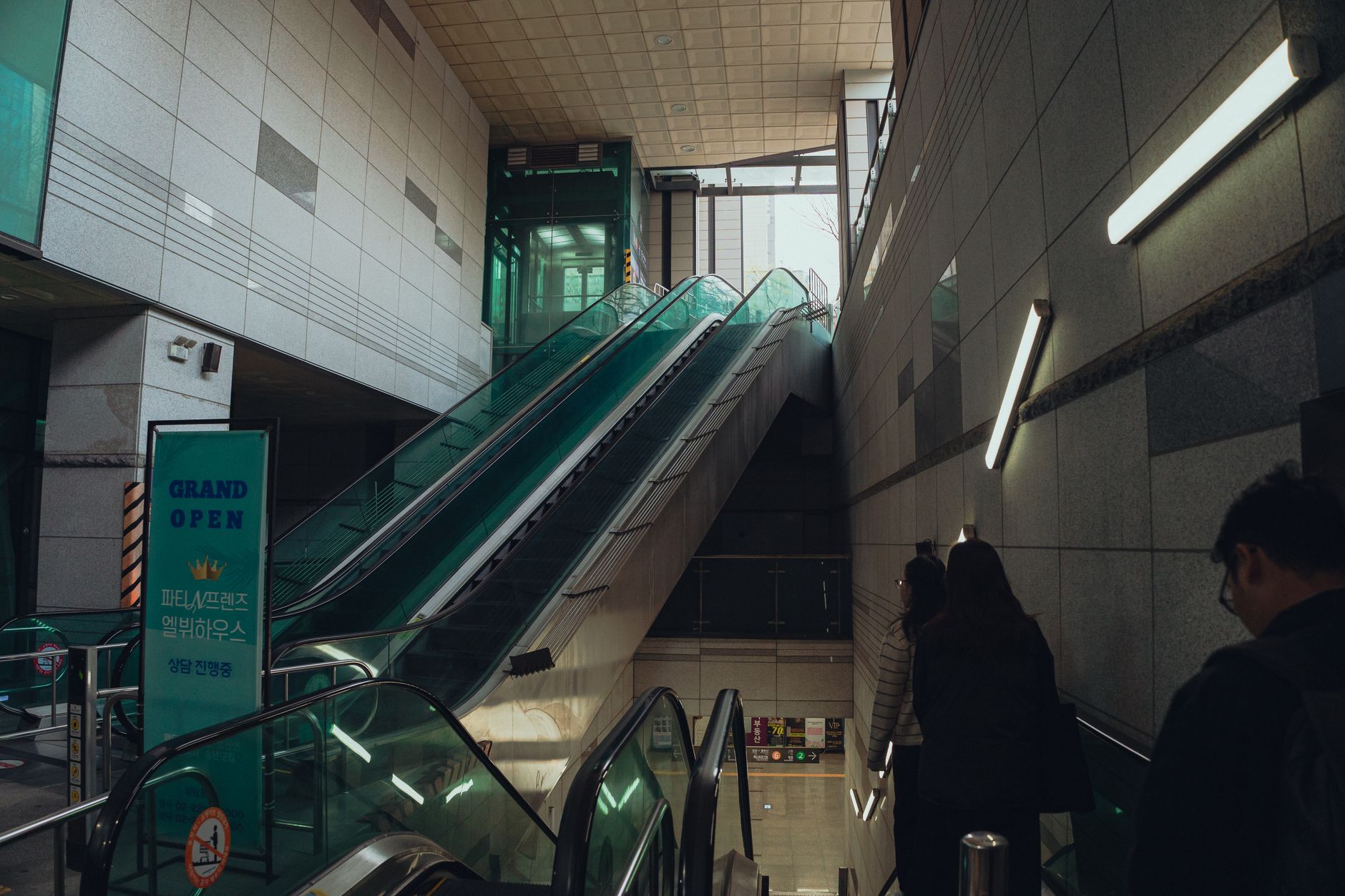
For decades, Euljiro was Seoul's industrial heartland. The streets of Euljiro 3-ga and Euljiro 4-ga buzzed with artisans, welders, and printers who kept the city's economy humming with molten metal and fresh ink. The smell of workshops, the clang of printing presses, and the pale glow of fluorescent tubes defined daily life for thousands of workers. Then, around the early 2010s, something unexpected happened, much like what had occurred in Paris's Marais neighborhood before art galleries claimed it as their preferred playground. Artists, designers, and creative entrepreneurs began moving into vacant spaces, drawn by still-affordable rents and an authenticity that Hongdae and Itaewon could no longer offer.
Today, Euljiro's magic lies precisely in this unlikely coexistence: an old metalworker shares a corridor with a trendy photography studio, and a café with raw concrete walls opens just steps away from a century-old hardware store. It's this creative tension, this dialogue between old and new, that makes the neighborhood so irresistible for anyone trying to understand contemporary Seoul.
Euljiro's Cafes, Temples of Korean Underground Culture
If you take away just one thing from this guide, let it be this: Euljiro cafes are unlike anything you've experienced before. Forget the sterile coffee shops of Gangnam and their flawless English menus. Here, establishments nestle into basements, former machine rooms, and converted industrial spaces, each meticulously detailed.
Coffee Han-il and Raw Concrete Aesthetics
One essential stop in the Euljiro cafe scene is what locals call a "gotham cafe," a direct reference to the dark, industrial atmosphere that defines these spaces. Unfinished concrete walls, black-painted exposed pipes, Edison bulbs casting amber light, all work together to create an ambiance more reminiscent of a Berlin loft than an Asian capital. The coffee itself, often prepared by passionate baristas with international certifications, deserves a visit for the quality of the cup alone.
Euljiro 4-ga's Secret Rooftops
The real gem of the neighborhood sits up high. Several cafes in Euljiro 4-ga offer rooftop terraces on former industrial buildings, providing panoramic views of a Seoul that postcards never capture. You'll discover a patchwork of gray tiles, rusted antennas, and, in the background, the futuristic towers of the business district. At sunset, this is where Euljiro's duality reveals itself in all its complexity.
Euljiro's Creative and Artistic Scene in 2026
The neighborhood has become even more densely packed with creative energy by 2026. Experimental art galleries now sit alongside podcast studios, specialized design co-working spaces, and public-access screen printing workshops. The Seoul Art Space Euljiro, a flagship institution for Korea's contemporary art scene, regularly hosts exhibitions that draw crowds of young artists seeking inspiration.
What strikes visitors accustomed to artistic neighborhoods like Brooklyn or Silver Lake is the level of intentionality in each space. Nothing seems left to chance. Hand-painted signage, calligraphic menus, and deliberately curated collections of vinyl records and vintage books reflect a deep-rooted culture of detail embedded in Korean sensibility. To deepen your understanding of this cultural landscape, our comprehensive Seoul guide will provide essential insights for planning your visit.
How to Explore Euljiro Like a True Local
Timing Your Visit
Euljiro operates on a schedule that sometimes puzzles time-pressed travelers. Artisan workshops open early, from 8 a.m., while underground cafes and bars don't really come alive until late afternoon. To experience the neighborhood in all its richness, dedicate an entire day to it: morning to watch artisans at work, afternoon for cafes and galleries, and evening for vinyl bars and intimate live music.
Navigating the Labyrinth
Euljiro 3-ga and Euljiro 4-ga metro stations on Lines 2 and 5 serve as natural entry points. But the real pleasure of Euljiro lies in unplanned wandering through its alleys. Addresses sometimes change from season to season, places close, others open overnight. This fluidity, far from being a drawback, is integral to the neighborhood's identity. If you're planning a broader itinerary that includes other unconventional Seoul neighborhoods, check out our article on essential Seoul districts to intelligently combine your explorations.
Euljiro's Underground Food Scene
Beyond Euljiro's cafes lies a thriving and deliberately understated food scene. Pojangmacha, those covered street food tents with colorful tarps, still resist in certain alleys, serving gukbap and tteokbokki prepared by ajumma, Korean grandmothers whose cooking has achieved cult status. Nearby, fusion restaurants designed by young chefs trained abroad offer bold reinterpretations of traditional Korean cuisine in magnificently repurposed industrial settings. A visit to Euljiro naturally pairs with broader culinary exploration, and our selection of Seoul's best local restaurants will help ensure you don't miss any hidden gems.
Euljiro in 2026, A Neighborhood Under Tension
It would be dishonest to present Euljiro without addressing the shadows looming over its future. Urban redevelopment projects, which had already threatened the neighborhood in the 2010s, are back on the table. Certain blocks have already been demolished, artisans displaced, and communities scattered. Local residents and creative practitioners are fighting to preserve what remains of the district's original identity, rightfully arguing that Euljiro can only survive by remaining imperfect, noisy, and alive. It's precisely this fragility that makes each visit unique and every moment spent in its streets that much more precious.
Euljiro Seoul is not a destination you plan down to the last detail. It's a neighborhood you feel, that you move through with curiosity and without a fixed agenda. But good preparation, grounded in real on-the-ground experience, makes all the difference between a distracted stroll and a memorable immersion.
Not a generic itinerary. Your own, built from genuine South Korea travel experiences. Create your personalized South Korea itinerary in minutes with AI assistance, just once for $19. Start planning now →