

DMZ Korea: Complete Guide to Visiting the Demilitarized Zone from Seoul in 2026
Just 55 kilometers separate Seoul from one of the world's most heavily guarded borders, a 4-kilometer-wide strip of land that has divided the Korean peninsula since 1953. The Korean Demilitarized Zone, known as the DMZ, attracts over one million visitors annually from around the globe, captivated by this frozen-in-time territory where the Cold War never truly ended. If you're planning a South Korea trip and this spectacular frontier is on your list, this guide will give you everything you need to organize your DMZ visit in 2026 from Seoul, under the best possible conditions.
Understanding the DMZ Before You Go
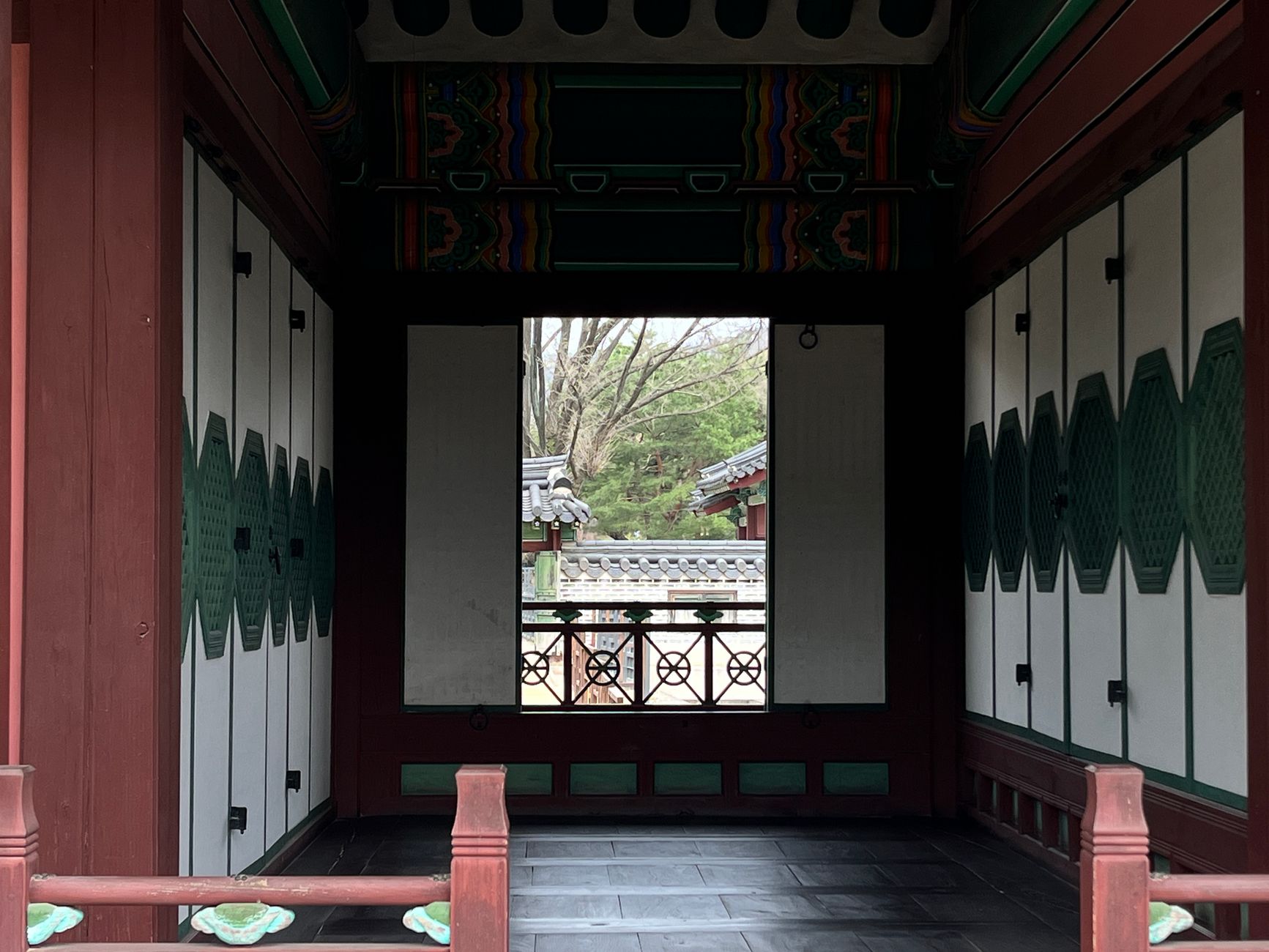
The Demilitarized Zone is not a theme park or simple historical site. It's an active military territory jointly managed by Korean and American armed forces, where every movement follows strict protocols. The DMZ stretches approximately 250 kilometers long and 4 kilometers wide, cutting across the peninsula from the Yellow Sea to the Sea of Japan. Within this buffer zone, nature has reclaimed the land for seven decades, creating an unintended wild ecosystem that shelters white-naped cranes and Manchurian deer, among Asia's rarest species.
This unique geopolitical context gives a DMZ visit a dimension few destinations worldwide can offer. Think of it like how visitors approach the D-Day beaches in Normandy, with that mixture of reverence and historical curiosity. The DMZ creates something similar, but involving a conflict that hasn't officially ended. The 1953 armistice was never followed by a peace treaty, and the two Koreas remain technically at war.
How to Organize Your DMZ Visit from Seoul
Organized Tours, the Simplest Solution
The vast majority of travellers opt for organized tours departing from Seoul, and it's often the only way to access sensitive sites like the Joint Security Area, commonly called the JSA or Panmunjom. These excursions typically depart from Hongik University metro station or major downtown hotels between 7am and 8am, returning in early afternoon or late evening depending on your chosen itinerary.
Reputable agencies offer English or French-speaking guides, with prices ranging from 50,000 to 150,000 Korean won depending on included sites. The JSA, which puts you literally just meters from North Korean soldiers in the blue buildings of the Military Armistice Commission, requires advance booking and can be suspended without notice for diplomatic reasons. In 2026, it's strongly advised to check site availability several weeks before departure, as political tensions directly influence visiting permissions.
Visiting the DMZ Without Organized Tours
Certain DMZ sites are accessible without organized tours, notably the Imjingak Resort, situated just south of the Imjin River, about an hour from Seoul by train from Susaek Station. This memorial complex includes the Freedom Bridge, once used for prisoner-of-war exchanges, along with a bullet-riddled train car, a striking remnant of 1950 combat. Entry is free and the atmosphere is particularly charged with emotion, especially during national commemorations.
Dorasan Observatory is also accessible by public transport from Seoul via the Gyeongui-Jungang line to Dorasan Station, South Korea's northernmost railway station. From the observation platform, on clear days, you can glimpse the Kaesong industrial complex on the North Korean side, now closed, and the Kaesong Mountains shrouded in haze that renders the landscape almost surreal.
Must-See Sites During Your DMZ Visit
North Korean Infiltration Tunnels
Four tunnels secretly dug by North Korea beneath the DMZ were discovered between 1974 and 1990. The Third Tunnel, located near Imjingak, is the most accessible and impressive. Visitors descend over 70 meters into a narrow tunnel carved from basalt rock, wide enough for equipped soldiers marching in formation. North Korea claimed these tunnels served coal extraction purposes, even painting them black to support this claim, though no geologist has ever validated this explanation. Bring mandatory helmets and closed-toe shoes.
Panmunjom and the Joint Security Area
If one location deserves an absolute visit during a DMZ trip, it's Panmunjom. This is where the armistice was signed in 1953, in a negotiation room still standing today. The JSA is the only place on Earth where Korean soldiers from both sides face each other just meters apart, in a tense silence that guides themselves respect. Visitors can enter the blue buildings and stand on North Korean soil, an experience few tourists can claim. For contemporary history and geopolitics enthusiasts, this moment compares to crossing Checkpoint Charlie in Berlin, but with exponentially greater intensity.
Practical Information for 2026
Visiting the DMZ requires important logistical precautions. The dress code at the JSA is strict: torn clothing, very short shorts, beach sandals, or outfits deemed disrespectful are prohibited. Valid identification is mandatory for all visitors, and citizens of certain countries may be denied access to sensitive military sites. Children under 10 are generally not admitted to the JSA for safety reasons.
The best season to visit the DMZ from Seoul remains spring, between March and May, when cherry blossoms bloom around Imjingak and temperatures stay pleasant. Autumn, from September to November, offers stunning landscapes with orange-hued forests of the buffer zone visible from observation points. If you combine this excursion with other regional discoveries, consult our complete Seoul guide to optimize your capital city stay.
For travellers wanting deeper understanding of Korean culture, the DMZ fits into a fascinating modern history reflected in Seoul's gastronomy, traditions, and museums. Our article on Seoul's palaces and temples will give you another perspective on this country's cultural depth.
Planning Your DMZ Itinerary
One day generally suffices for a complete DMZ visit, but many travellers choose combining this excursion with an overnight stay in Paju, which offers pleasant accommodation and easy access to border sites first thing in the morning. Paju also hosts the celebrated Heyri Art Village and a concentration of Korean publishers in a remarkable architectural quarter, perfect for extending your day after the emotional intensity of the frontier.
Regardless of which option you choose, a DMZ visit remains one of the most impactful experiences a traveller can have in Asia. It forces reflection on peace, division, collective memory, and what a border truly means in 2026. To avoid missing this unique aspect of your Korea trip, careful preparation is essential. If you're exploring multiple regions, our two-week South Korea itinerary article will prove invaluable.
Not a generic itinerary. Your personalized journey, built from real South Korea travel experiences. Create your custom itinerary for €19