

Hiking in South Korea: The 10 Best Trails for 2026
With over 20 national parks covering nearly 7% of the country's terrain, South Korea ranks among Asia's most underrated trekking destinations. Yet each year, millions of local and international hikers traverse trails that rival the finest routes through the Alps or Pyrenees. Whether you're a casual weekend walker or a serious mountain enthusiast, the Land of the Morning Calm promises breathtaking landscapes, mist-shrouded Buddhist temples, and dramatic ridge lines that will have you eager to return again and again.
Why Choose South Korea for Your Next Hiking Adventure?
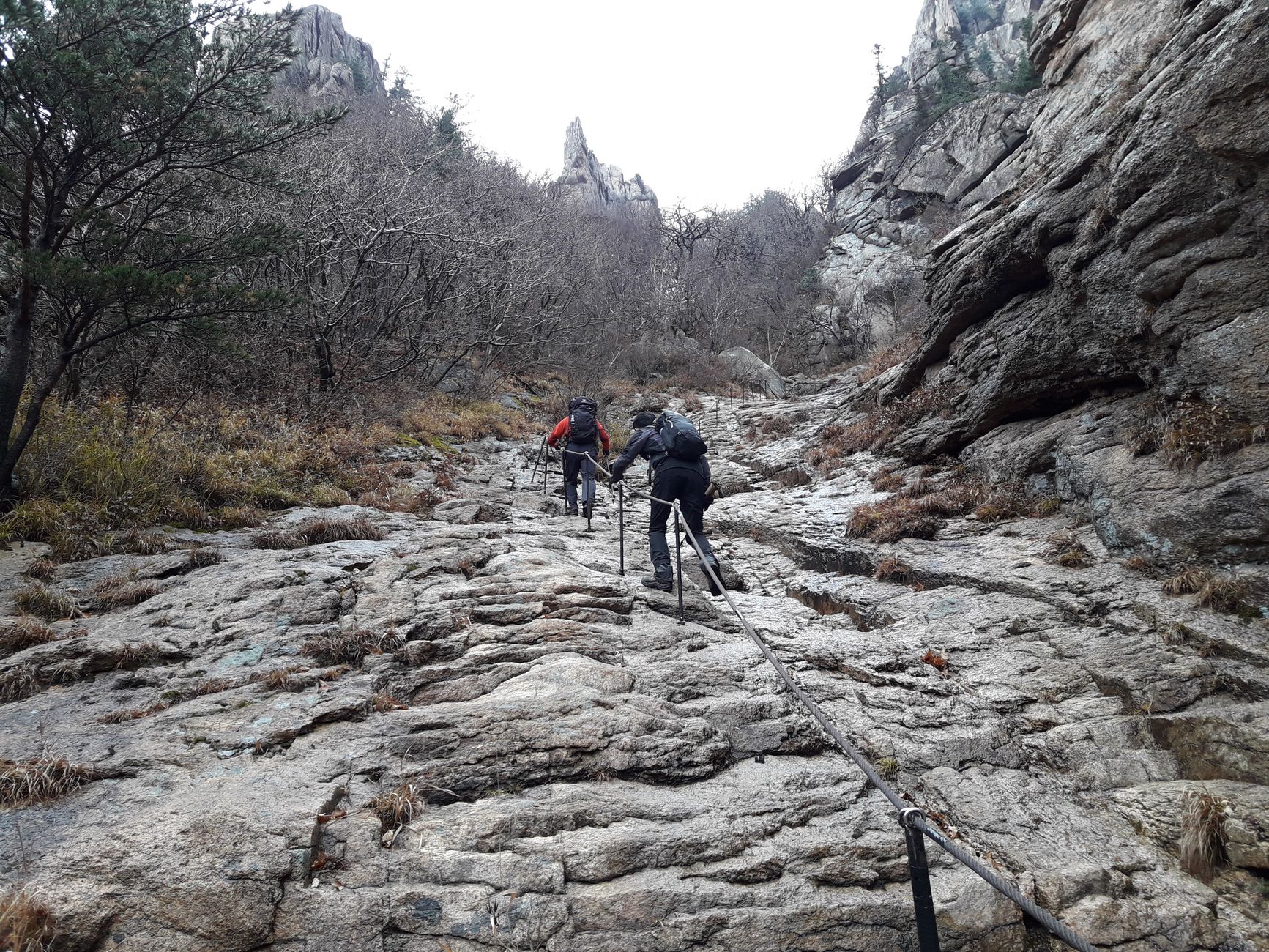
Hiking in South Korea is more than just an activity, it's a cultural phenomenon. Koreans have elevated mountain trekking to a national passion. Every weekend, trails fill with families in vibrant technical gear, energetic retirees, and urban professionals escaping Seoul for a few precious hours. This hiking culture has created remarkable infrastructure: trails are meticulously marked, mountain shelters are accessible, and public transport often drops you right at trailheads. For hikers accustomed to European routes or coastal walks, discovering these Zen Buddhist-infused mountain landscapes offers genuine discovery and refreshment.
The Best Season for Hiking in South Korea
Spring, from April to June, brings cherry blossoms and azaleas that transform mountainsides into impressionist paintings. Autumn, from September to November, is widely considered the ideal season: forests turn brilliant shades of red, orange, and gold in a spectacle that rivals even Japan's famous autumn foliage. Winter has its own stark appeal, especially on snow-capped summits. Only the humid summer, dominated by typhoons and monsoons, requires extra caution before setting out on higher elevations.
Seoraksan: South Korea's Premier Trekking Destination
Any discussion of South Korean hiking must feature Seoraksan at the top. This national park, located in Gangwon Province on the eastern coast, holds UNESCO Biosphere Reserve status and is arguably the country's most spectacular trekking terrain. The hike to Daecheongbong summit, standing at 1,708 metres, presents a serious challenge yet remains accessible to any fit hiker. The trail traverses granite gorges, passes roaring waterfalls, and leads past Sinheungsa Temple, one of the world's oldest continuously active Buddhist temples. Budget a full day for this ascent and reserve a mountain shelter if you want to stay overnight to witness sunrise over the East Sea.
To plan your visit to this region effectively, our comprehensive Gangwon Province guide provides all the logistical details for combining Seoraksan with other natural treasures along Korea's eastern coast.
Hallasan on Jeju Island: South Korea's Highest Peak
Hallasan volcano, at 1,950 metres, stands as the country's highest mountain. Located at the centre of Jeju Island, this dormant stratovolcano offers two main trails to its summit crater, Baekrokdam. The Seongpanak trail, covering 9.6 kilometres one way, traverses a temperate forest of exceptional biodiversity before emerging onto windswept plateaus. The Eorimok trail winds through open, sun-filled alpine meadows. South Korean hiking reaches an almost spiritual dimension here. Hallasan holds sacred significance in Korean tradition, and climbing to the crater feels more like pilgrimage than mere athletic pursuit.
Jirisan: The Mountain of Monks and Philosophers
Spanning three southern provinces, Jirisan National Park stands as South Korea's largest mainland park and one of its richest in historical significance. The complete ridge traverse, approximately 25 kilometres long, ranks among Korea's premier treks, comparable in spirit to Robert Louis Stevenson's Cevennes walk. The route connects Nogodan to Cheonwangbong, the main summit at 1,915 metres, passing dozens of shelters and Buddhist temples including the celebrated Hwaeomsa. This crossing is best completed over two or three days with mountain shelter accommodation, allowing you to absorb the mysterious atmosphere of pine and oak forests that transform into seas of cloud at dawn.
Bukhansan: Hiking Above Seoul
For those staying in the capital, Bukhansan offers a unique opportunity to hike above a sprawling city of ten million people. This national park is officially one of the world's most visited parks per unit area. The summits of Baegundae, Insubong, and Mangyeongdae form a granite skyline visible from numerous Seoul neighbourhoods. The ascent to Baegundae, at 836 metres, combines rocky scrambles, fixed safety chains bolted into the rock, and absolutely stunning panoramic views over the vast urban expanse below. It's an experience without parallel in Europe, perhaps comparable to hiking above Paris if the capital were ringed by actual mountains.
If you're planning several days in the capital before heading to the national parks, our guide to essential Seoul attractions will help you structure your city time before lacing up your hiking boots.
Odaesan, Gyeryongsan, and Hidden Trail Gems
Beyond the major destinations, South Korea harbours lesser-known parks that deserve attention. Odaesan, in Gangwon, houses the Woljeongsa monastery complex surrounded by centuries-old conifer forests reminiscent of a Park Chan-wook film set. Gyeryongsan, just outside Daejeon, earned the nickname Dragon-Rooster Mountain for its winding ridges, and its trails offer a six to seven-hour circuit through remarkably preserved wilderness. Naejangsan, finally, is widely hailed as South Korea's autumn hiking paradise: its maple forests explode with colour between mid-October and early November, attracting crowds of photographers and walkers in an atmosphere of warm community celebration. To build an itinerary combining multiple parks while optimising train journeys, consult our South Korea transport guide.
Essential Hiking Tips for South Korea in 2026
Hiking in South Korea requires knowledge of several important rules before you depart. Access to certain summits, including Daecheongbong at Seoraksan and Baekrokdam at Hallasan, is subject to quotas and requires online reservation through the national parks system. This measure, strengthened in 2025, aims to protect fragile ecosystems at high elevations. Official trails feature rigorous bilingual Korean-English signage, and local navigation apps like Naver Maps or KakaoMap outperform Google Maps in remote areas. For gear, Koreans invest heavily in proper hiking attire and you'll rarely see someone in jeans on the trails. Trail or hiking boots, a waterproof layer, and trekking poles represent the minimum recommended kit for serious ascents.
Build the Hiking Itinerary That's Right for You
South Korea offers extraordinary terrain for any traveller who loves walking and experiencing a country beyond the bus window. From the granite ridges of Seoraksan to the autumn forests of Naejangsan, each trail tells a different story of this compelling nation. The real challenge lies in assembling these experiences into a coherent journey that matches your pace, interests, and fitness level. Not a generic itinerary. Yours, built from genuine South Korean hiking experiences. Design my custom itinerary for just €19